
West Bengal is witnessing a major shift in how the state government delivers financial support to its most vulnerable citizens. The newly introduced Annapurna Yojana is making headlines across the state, and for good reason. Unlike the previous TMC-era Lakshmir Bhandar scheme, this new initiative takes a targeted approach to reach the poorest families first. Moreover, Finance Minister Swapan Dasgupta recently made some bold announcements in the state Assembly that are turning heads across the political spectrum. From attracting Rs 60,000 crore from the Centre to forming a brand new emergency rescue force, West Bengal’s budget discussion has brought several important decisions to light. So, let us break it all down for you in simple, clear language.
What Is Annapurna Yojana and Who Does It Target
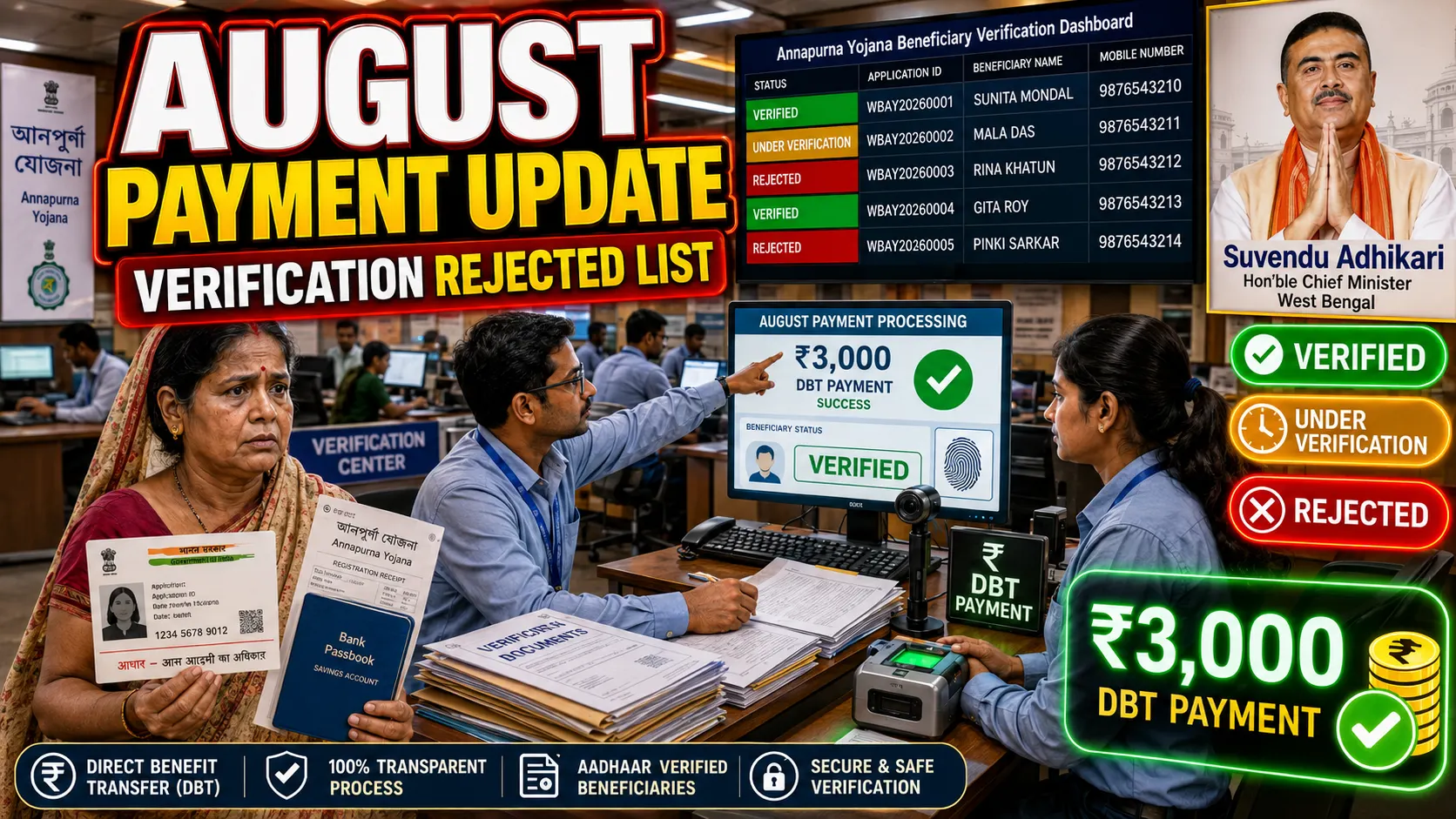
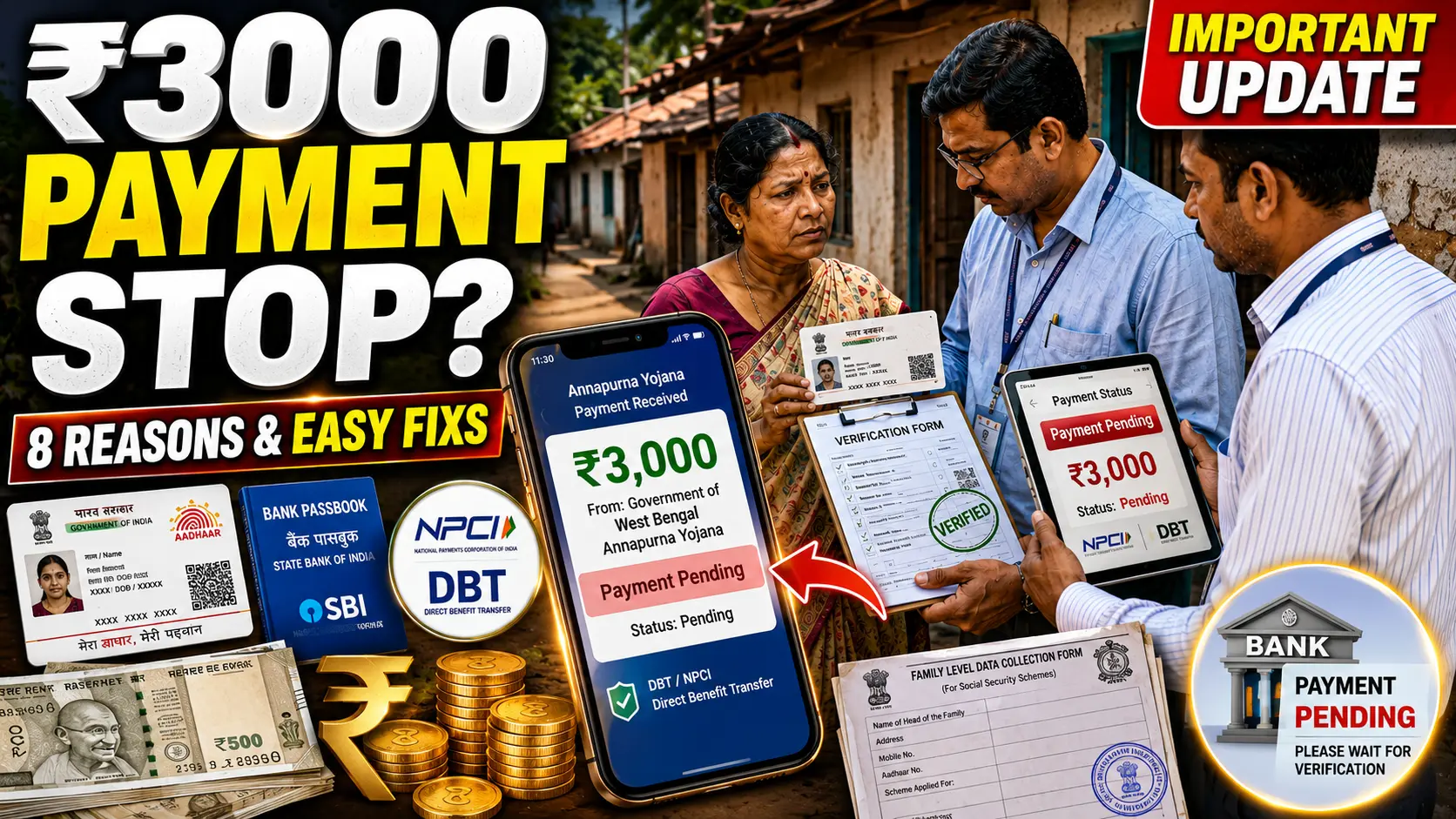
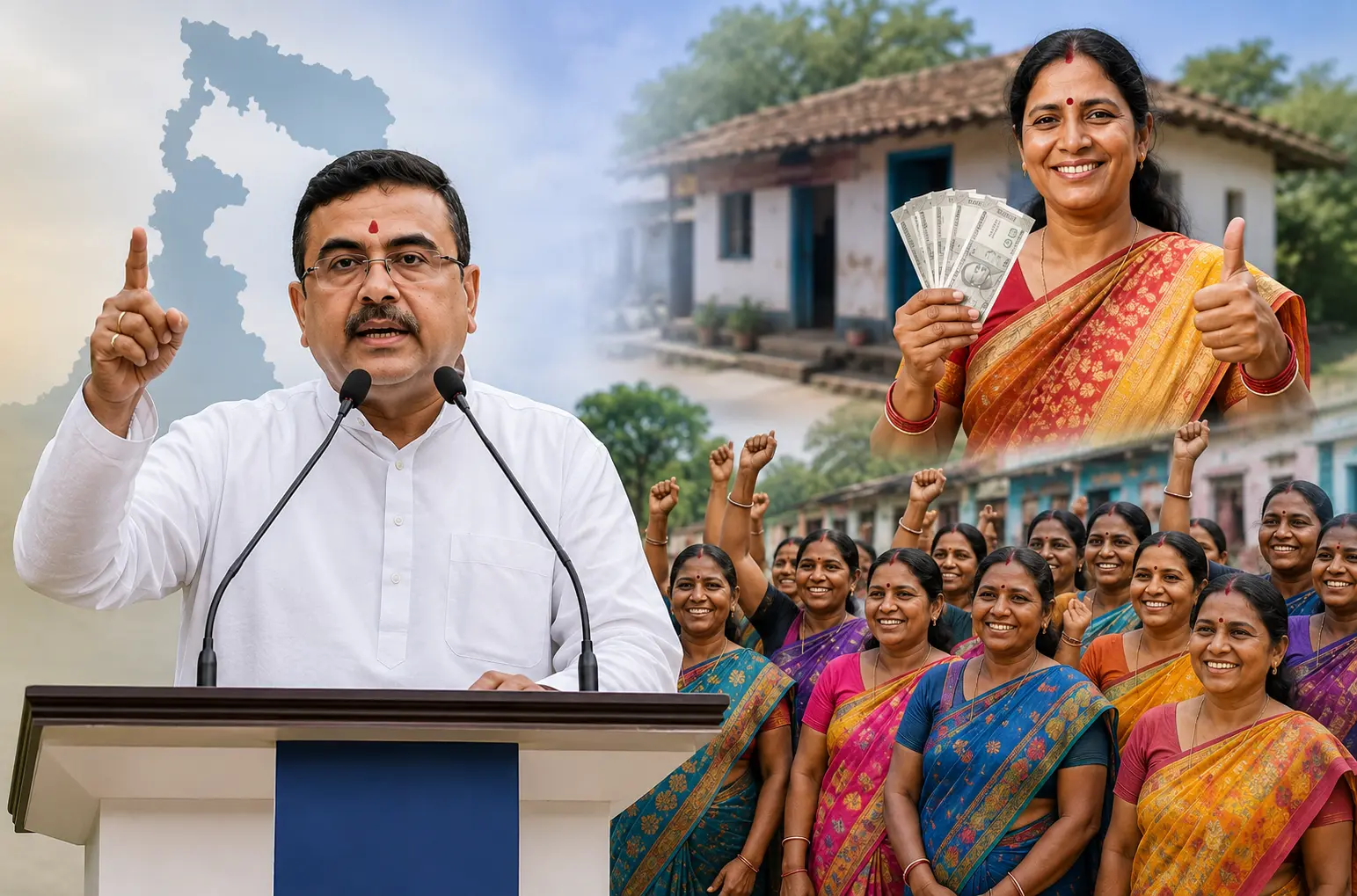
The Annapurna Yojana is one of the most talked-about promises from the BJP’s election manifesto for West Bengal. Additionally, it directly replaced the earlier Lakshmir Bhandar scheme that was introduced by the Trinamool Congress government. Under Lakshmir Bhandar, women beneficiaries used to receive a maximum of Rs 1,500 per month. However, under the new Annapurna Yojana, eligible women now receive Rs 3,000 per month, which is double the previous amount.
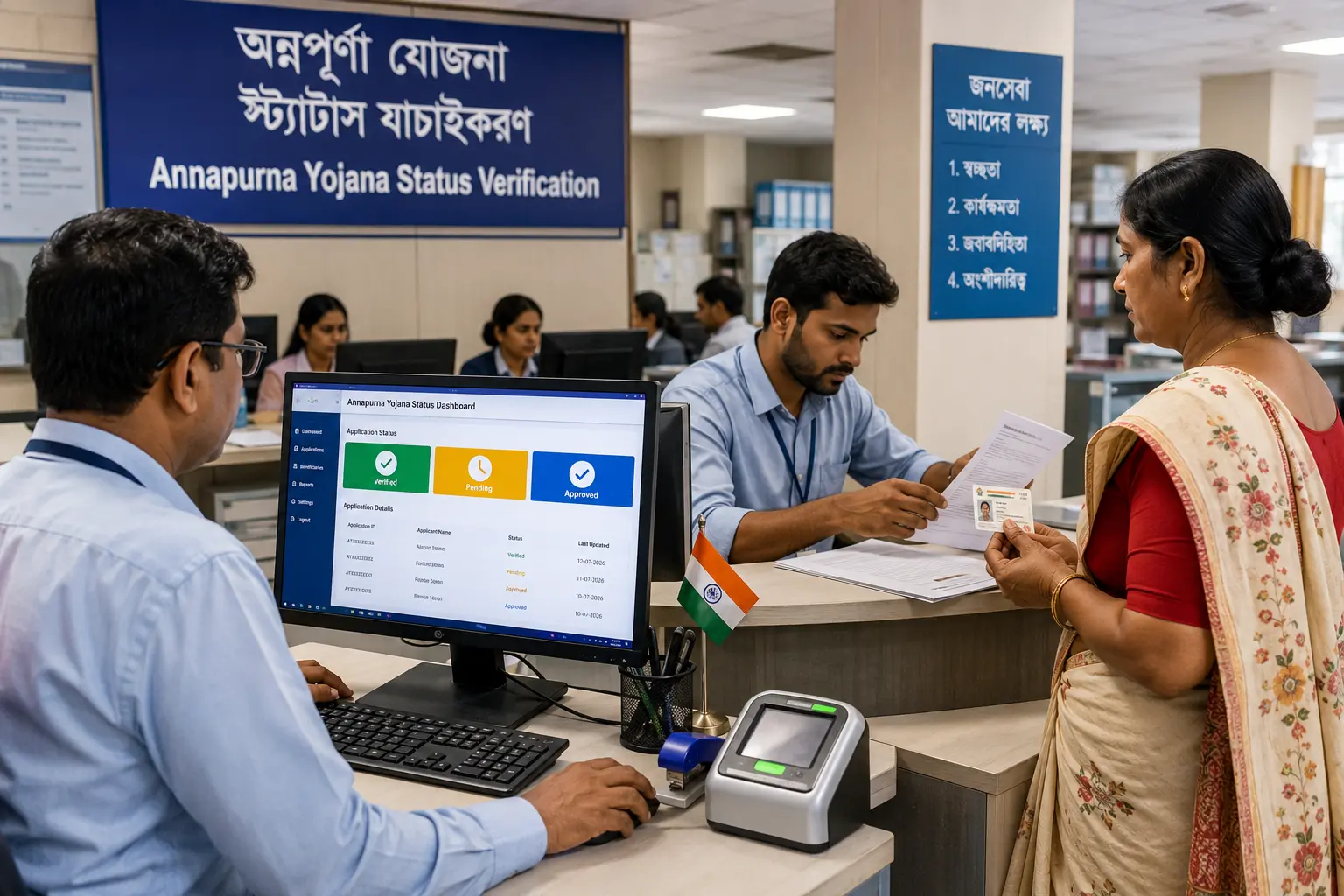
Now, this is where things get interesting. Finance Minister Swapan Dasgupta clearly explained in the Assembly that Annapurna Yojana is not a universal scheme like Lakshmir Bhandar was. Instead, it specifically targets women from the most economically vulnerable households. Therefore, the number of beneficiaries is naturally lower because the government is focusing only on those who genuinely need the support the most. In addition, this targeted approach ensures that public money reaches the right hands rather than being spread too thin across a broader group.
Consequently, several opposition members raised concerns during the budget discussion about the sharp reduction in beneficiaries. However, the minister stood firm and defended the scheme’s design as a more responsible and effective model of financial assistance.
West Bengal to Attract Rs 60,000 Crore from Central Government Schemes
One of the biggest announcements during the budget discussion was about Central funding. Finance Minister Dasgupta confidently claimed that West Bengal would be able to attract Rs 60,000 crore from the Centre by actively participating in various Union government schemes. Moreover, he pointed out that this was something the previous government had simply not done, leaving a massive amount of central funds untapped.
Additionally, the state is also banking on a separate Rs 10,000 crore central fund specifically earmarked for carrying out administrative reforms. This is a significant move because it shows the new government’s clear intention to modernise governance and improve the efficiency of public services across West Bengal. Furthermore, joining these central schemes means the state can now access resources that were previously left on the table, which could dramatically accelerate development.
Meanwhile, this announcement has generated both excitement and debate. Supporters believe it signals a more cooperative relationship between the state and the Central government. On the other hand, critics are waiting to see whether these funds actually materialise into on-ground improvements for ordinary citizens.
Dearness Allowance Hike for State Employees Explained
Another major point of discussion in the Assembly was the Dearness Allowance (DA) increase for state government employees. The Finance Minister announced a significant hike, raising DA to 20 per cent. However, the opposition raised concerns because the enhanced DA will be effective from October instead of July, which many employees had expected.
In response, Dasgupta argued that no other state government in India had announced such a large DA increase in a single tranche. Moreover, he highlighted that the previous TMC government had left the DA increase at a mere 4 per cent, which had been a long-standing source of frustration for state employees. Therefore, the new government’s decision to jump to 20 per cent is being seen as a major step forward, even if the timing has drawn some criticism.
Additionally, the minister emphasised that this decision was taken after carefully balancing the state’s overall financial position. In other words, the government wanted to address employees’ concerns without putting excessive pressure on the state’s fiscal health.
New Announcements for Teachers and Higher Education in West Bengal
The budget discussion also brought some welcome news for the education sector. Finance Minister Dasgupta announced a Rs 2,000 increase in monthly remuneration for vocational teachers working under the National Skills Qualification Framework. Furthermore, the government also plans to enhance payments for part-time teachers working in state-aided colleges, which is a long-overdue step toward fair compensation in the education sector.
In addition to teacher remuneration, the minister announced the establishment of two new degree colleges at Hemtabad and Kaliaganj in Uttar Dinajpur district in north Bengal. Consequently, this move will improve access to higher education for students in remote areas of the state who currently have to travel long distances to attend college. Moreover, expanding educational infrastructure in underserved regions is a critical step toward reducing inequality and improving opportunities for youth in rural West Bengal.
Vishisht Vahini: West Bengal’s New Emergency Response Force
Perhaps one of the most notable announcements from the budget session was the creation of a brand new specialised emergency response unit called Vishisht Vahini. This decision came in the wake of the tragic collapse of a warehouse under construction in Kolkata’s Taratala area. Therefore, the government decided to act quickly and establish a dedicated force to handle emergencies and disasters more effectively.
The Vishisht Vahini will comprise around 200 trained personnel equipped with modern rescue equipment. Moreover, the deployment plan is well thought out. Specifically, 50 personnel will be stationed in north Bengal, another 50 in the Sundarbans region, and the remaining 100 will be spread across other parts of the state. Additionally, this strategic distribution ensures that emergency response capacity is available in both urban and rural areas, including ecologically sensitive zones like the Sundarbans.
Furthermore, the creation of this force reflects the government’s commitment to improving disaster preparedness across West Bengal, which has historically been prone to both natural and man-made emergencies.
Women’s Police Station at Sandeshkhali and Minority Welfare Clarifications
The Finance Minister also announced the establishment of a women’s police station at Sandeshkhali, an area that gained national attention in 2024 due to serious allegations of land grabbing, extortion, and sexual abuse against former TMC leader Sheikh Shahjahan. Therefore, this announcement is being seen as a direct response to the demand for better law enforcement and safety for women in that region. Moreover, it sends a strong message about the government’s intent to restore trust and security among local communities.
Additionally, responding to opposition allegations of minority neglect in budget allocations, Dasgupta firmly stated that the government believes in equal rights for all citizens regardless of religion or community. He pointed out that while the earlier government had announced Rs 5,600 crore for the minority and Madrasa department in 2025-26, the actual expenditure was only Rs 2,850 crore. Consequently, he argued that the new government is focused on actual delivery of services rather than just making large announcements.
West Bengal’s Vision for 2047 and Economic Ambitions
Wrapping up the budget discussion, Finance Minister Dasgupta shared an ambitious long-term vision for West Bengal. He stated that the government wants West Bengal to achieve the highest state GDP in India within the next four years. Moreover, he expressed the state’s desire to become the largest contributor to Prime Minister Modi’s Viksit Bharat 2047 vision.
This is certainly a bold target. However, with increased Central funding, administrative reforms, investment in education, and stronger social safety nets like the Annapurna Yojana, the government appears to be laying the groundwork for sustained growth. Furthermore, the emphasis on both economic development and social welfare suggests a dual-track approach that could yield meaningful results if executed well. In addition, building a progressive and economically stronger Bengal will require consistent effort, political will, and transparent governance over the coming years.
SEE ALSO: 👇
How to Check Annapurna Bhandar Yojana Eligibility Criteria?
How to Check Annapurna Bhandar Status in 2026 Full Guide
Annapurna Bhandar Required Documents 2026: Full List & Verification Guide
How to Apply Annapurna Bhandar Online (2026): Step-by-Step Registration Process